Callow Font
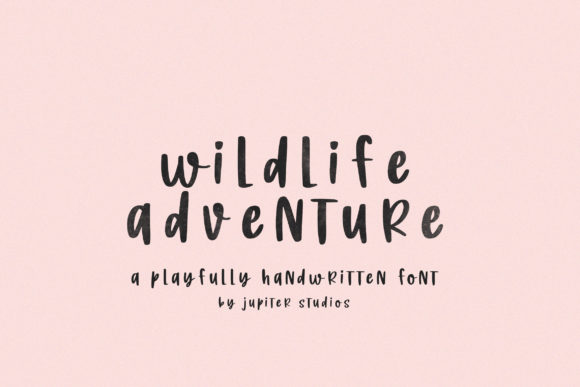
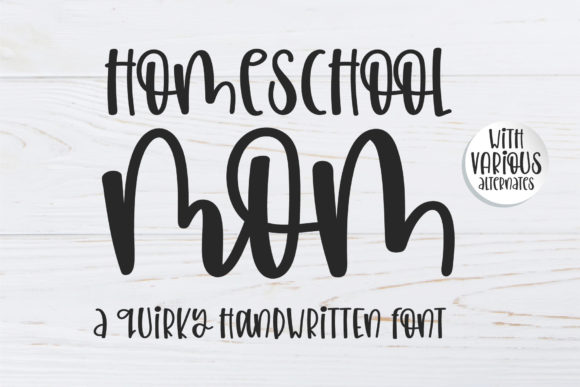
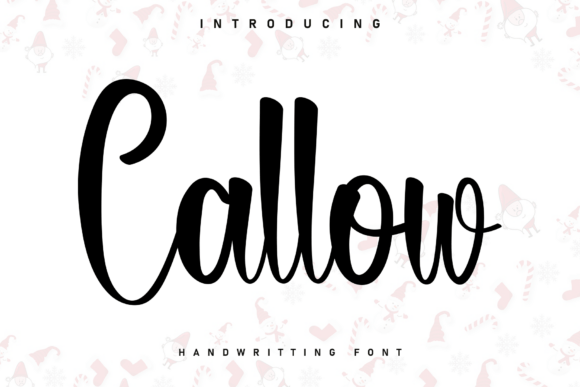
Callow is a handwritten typeface designed to mimic the natural, expressive quality of marker-drawn lettering. Its strokes vary in weight and rhythm, with subtle irregularities that suggest human touch—no rigid uniformity, no mechanical precision. It is not a script font built from calligraphic tools or formal penmanship; instead, it evokes casual confidence, as if sketched quickly but deliberately. This distinction matters when evaluating whether Callow suits a specific design need.
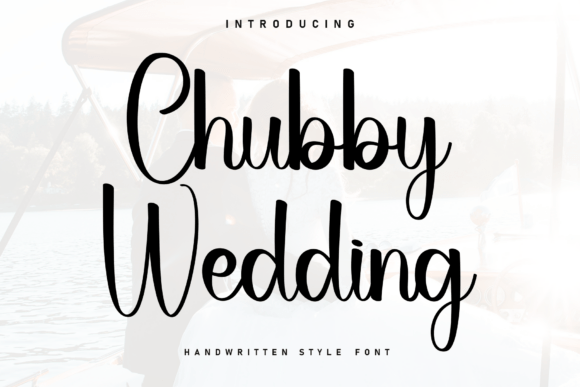
Designers and brand teams often explore handwritten fonts like Callow when aiming to communicate approachability without sacrificing visual polish. Its relaxed yet intentional appearance bridges informality and sophistication—a balance that’s increasingly valuable in contexts where audiences respond poorly to overly corporate or sterile typography. Because of this, Callow appears frequently in branding for lifestyle products, independent fashion labels, artisanal goods, and personal celebrations such as weddings or milestone announcements.
Why Consider Callow?
Interest in Callow typically arises from one or more practical needs: establishing warmth in visual identity, reinforcing a handcrafted or bespoke positioning, or differentiating from competitors using generic sans-serif or serif families. Unlike many handwritten fonts that lean heavily into whimsy or nostalgia, Callow maintains a contemporary edge. Its spacing, x-height, and character proportions support readability at moderate sizes—especially important for logos, packaging copy, or digital banners where clarity remains essential.
It also performs well across media. In print, its marker-like texture translates cleanly on coated and uncoated stocks. On screen, it renders reliably in most modern browsers when embedded properly (e.g., via @font-face or licensed web font services). That versatility makes it viable for multi-channel campaigns—something not all display-oriented handwritten fonts offer.
Benefits and Realistic Expectations
The primary benefit of Callow lies in its tonal consistency: it delivers casual elegance without requiring stylistic compromise. A logo set in Callow can feel both personal and professional; a greeting card using it avoids looking either childish or stiff. Its lowercase forms have gentle curves and open counters, supporting legibility in short-form text. Uppercase letters retain energy without becoming overwhelming.
However, expectations must be grounded. Callow is not intended for body text. Its irregular stroke modulation and connected forms reduce reading speed and increase cognitive load over extended passages. It lacks extensive language support beyond basic Latin characters—so multilingual projects may require pairing with a robust companion face. Also, while its sporty feel works well for active or youthful brands, it may underdeliver for sectors emphasizing tradition, authority, or technical rigor (e.g., legal services, financial reporting, academic publishing).
Another consideration is licensing. Callow is commercially licensed, and usage rights vary by vendor. Some licenses restrict use in templates sold to third parties or in apps where the font is embedded and redistributable. Users should verify permissions for their intended application—especially for SaaS platforms, merchandise, or client deliverables involving font redistribution.
When Callow Fits Best
Callow excels in focused, high-impact applications where tone and personality drive perception. These include:
- Brand logotypes for lifestyle, wellness, or creative businesses seeking friendly differentiation;
- Wedding stationery, particularly for couples wanting an organic, non-traditional aesthetic;
- Greeting cards and invitations, where handwritten authenticity supports emotional resonance;
- Fashion lookbooks and campaign visuals, especially when paired with minimal layouts and ample white space;
- Social media graphics and promotional banners where short headlines benefit from expressive typography.
In each case, success depends less on the font alone and more on how thoughtfully it integrates with other design elements—color palette, imagery, layout rhythm, and hierarchy. Callow does not compensate for weak composition; rather, it amplifies intentionality when used with restraint.
When to Explore Alternatives
Callow may be less suitable where neutrality, scalability, or linguistic breadth is required. For example:
- If your project demands long-form editorial content, even in headings, consider hybrid approaches—using Callow for titles only and switching to a highly legible sans-serif (e.g., Inter, Poppins, or Manrope) for body copy.
- If you need broad language coverage (e.g., Central/Eastern European diacritics, Cyrillic, or Greek), verify Callow’s glyph set before committing—or test alternatives like Bricolage Grotesque (for contrast with a neutral base) or Amatic SC (for similar casual energy with wider character support).
- If your brand voice leans toward refined minimalism rather than relaxed energy, fonts like Playfair Display (serif) or Clash Grotesk (sans-serif) may achieve elegance with greater typographic flexibility.
- If budget constraints limit licensing options, free alternatives such as Architects Daughter or Patrick Hand offer comparable handwritten qualities—but with tradeoffs in spacing control, OpenType features, and typographic refinement.
Making a Practical Decision
To determine whether Callow aligns with your goals, begin by articulating the core message your typography must convey. Ask: Does “relaxed elegance” accurately describe the impression you want? If yes, test Callow against real content—not just mockups. Set actual headlines, logo lockups, or product tags at intended sizes and review them across devices and print proofs.
Compare it directly with two alternatives—one more formal, one more playful—to gauge relative positioning. Pay attention not just to aesthetics but to how easily your team can apply it consistently. Does it pair predictably with your existing type system? Does it scale cleanly from favicon to billboard?
Finally, assess implementation logistics. Will you serve it via a trusted font host? Does your CMS or design tool support variable font features (if applicable)? Are your developers comfortable handling fallback stacks? These operational factors influence long-term usability as much as visual appeal.
Callow is not a universal solution, nor is it meant to be. Its value emerges most clearly when matched to a specific communicative intent—and when used with awareness of its strengths, limits, and dependencies. For designers prioritizing authenticity, warmth, and visual distinction within defined boundaries, Callow offers a reliable, expressive option worth evaluating alongside other purpose-built typefaces.