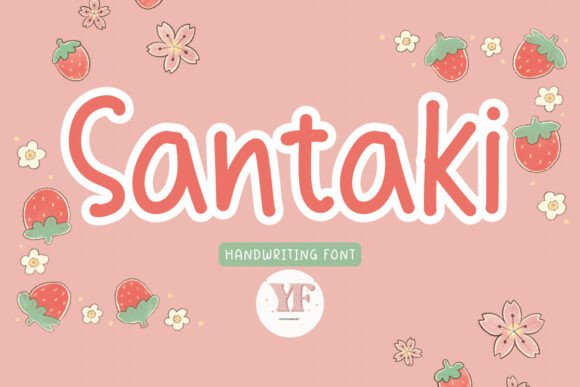
Santaki Font: A Stylish Choice for Creative Expression
Santaki is more than just a font—it’s a design language that brings personality and warmth to any text. With its elegant, handwritten style and clean structure, Santaki offers a unique blend of professionalism and creativity. Whether you're crafting a school assignment, designing a digital project, or building a brand, this font adds a touch of individuality that stands out in a sea of standard typefaces.
The Essence of Santaki
Santaki is a mono-line font, meaning it maintains a consistent line thickness throughout each character. This uniformity ensures readability while still preserving the organic, free-flowing feel of handwriting. The result is a font that feels both casual and refined, making it versatile enough to suit a wide range of uses.
What sets Santaki apart is its ability to capture the spontaneity of handwritten notes. Each letterform has a slight irregularity, mimicking the natural variations found in real handwriting. These subtle imperfections give the font a human touch, making it ideal for projects where authenticity matters.
Why Choose Santaki?
Santaki isn’t just about aesthetics—it’s also about functionality. Its clean strokes and balanced proportions make it easy to read, even at smaller sizes. This makes it suitable for both digital and print media, from web content to printed materials.
One of the standout features of Santaki is its adaptability. It works well in both formal and informal contexts, offering a playful yet professional vibe. This versatility means you can use it across multiple platforms without compromising on style or clarity.
- Casual yet stylish: Perfect for creative school projects or personal journals.
- Readability: Maintains legibility even with its free-flowing design.
- Consistency: Uniform line thickness ensures a cohesive look throughout the text.
- Expressive: Adds a personal touch to any written content.
Practical Applications of Santaki
Santaki finds its place in a variety of settings, from education to business. In an educational context, it’s excellent for students who want to add a creative flair to their assignments or notebooks. Teachers might also use it for handouts or lesson plans to make the material feel more engaging and approachable.
In a professional setting, Santaki can be used for branding materials, such as logos, brochures, or social media posts. Its stylish yet readable nature makes it a great choice for entrepreneurs and small businesses looking to stand out with a unique visual identity.
For creatives and designers, Santaki offers a fresh alternative to traditional fonts. It can be used in digital projects like website headers, blog posts, or presentation slides. Its organic feel helps convey a sense of creativity and authenticity, which is especially valuable in content marketing and storytelling.
Real-World Use Cases
Imagine a blogger using Santaki for a post about journaling. The font’s handwritten style enhances the theme, making the content feel more personal and relatable. Similarly, a graphic designer might incorporate Santaki into a poster or flyer to create a visually appealing and memorable design.
Freelancers and consultants can also benefit from Santaki. Using it in proposals or client communications adds a friendly and approachable tone, helping to build trust and rapport. For educators, it can be a useful tool in creating interactive learning materials that encourage student engagement.
Considerations When Using Santaki
While Santaki is a powerful font, it’s important to consider its limitations. Because of its handwritten style, it may not be the best choice for highly technical or formal documents where precision is key. In such cases, pairing Santaki with a more traditional serif or sans-serif font can help maintain professionalism while still adding a creative element.
When selecting Santaki for a project, it’s also essential to test it in different contexts. How does it look in various sizes? Does it maintain its readability on different devices? Ensuring that the font works well across all platforms is crucial for a seamless user experience.
Another consideration is licensing. While many versions of Santaki are available for free, it’s always a good idea to check the terms of use to ensure compliance. Some fonts may require attribution or have restrictions on commercial use, so understanding these details upfront can save time and avoid potential issues.
Conclusion
Santaki is a font that bridges the gap between creativity and functionality. Its unique design and versatile applications make it a valuable addition to any designer’s toolkit. Whether you’re a student, educator, marketer, or entrepreneur, Santaki offers a way to express your personality through your writing. By choosing Santaki, you’re not just selecting a font—you’re choosing a style that reflects your values and enhances your message.